

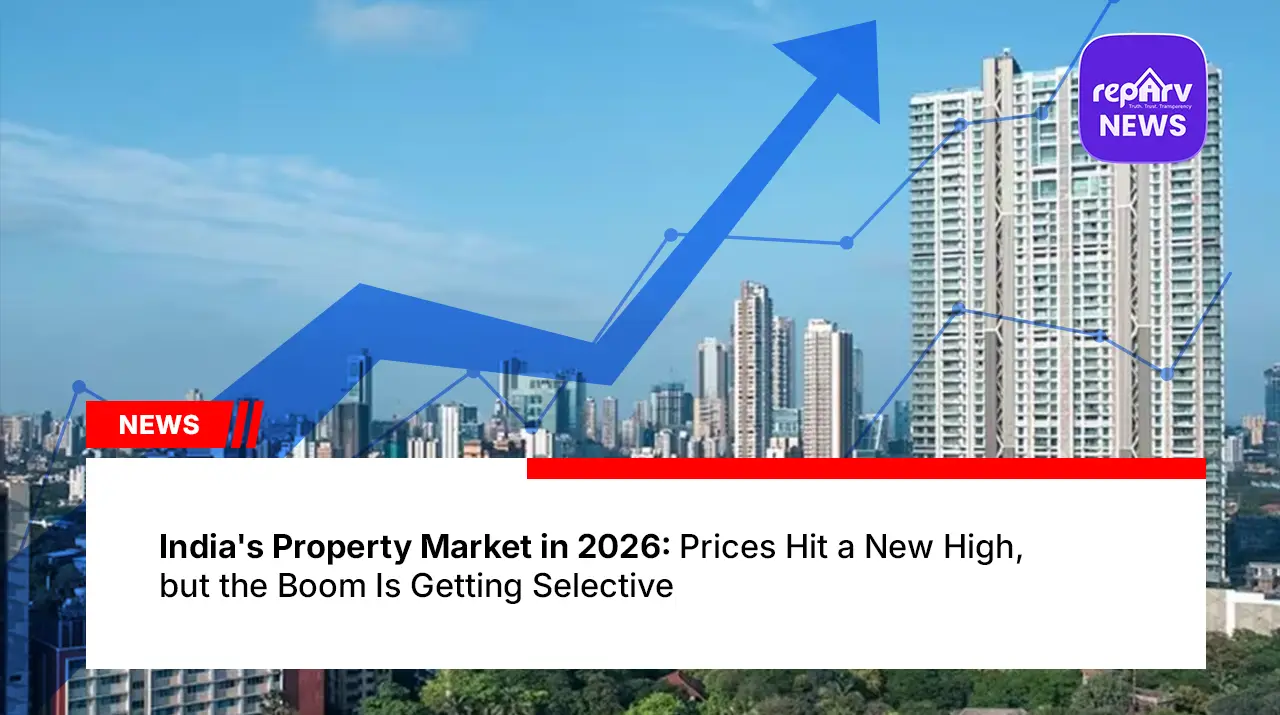
India's residential real estate market has entered a new chapter in 2026 one that is more disciplined, more expensive, and far more selective than the broad-based boom of the previous two years.
According to a PropTiger report released this month, Q1 2026 saw 95,973 units sold across the top eight cities. That sounds healthy and it is but the number is down 2.2% year on year and 7% quarter on quarter, according to ANAROCK Research. The market is not collapsing. It is maturing. And the biggesstory is not how many homes are selling, but at what price.
Prices Cross Rs 10,000 Per Square Foot for the First Time
The weighted average residential price across India's top eight cities has crossed Rs 10,050 per square foot for the first time ever a milestone that marks a sharp shift in the kind of market we are dealingwith. Luxury and premium homes are driving this number up, with a disproportionate share of new launches in Mumbai MMR, Bengaluru, and Delhi NCR sitting in the upper mid income and premium segments.
Prices rose 2% quarter on quarter and 7% year on year in Q1 2026. That is steady, not speculative which is actually a healthier sign than the double digit jumps seen in 2022 and 2023.
Why Did Sales Dip This Quarter?
The short-term dip in sales has a clear reason: geopolitical uncertainty. The Iran War, which escalated in early 2026, rattled Middle Eastern investors a significant source of NRI capital flowing into Indian real estate. ANAROCK Chairman Anuj Puri noted that these investors adopted a cautious wait and
watch approach during Q1, which pulled down quarterly numbers.The RBI has also kept its repo rate unchanged at 5.25% since December 2025, following four cuts through 2025 that brought rates down from 6.50%. Home loan rates are currently starting from around 7.10% the lowest they have been in years but with rates on hold now, there is no further push from cheaper borrowing to drive sales.
Where the Action Is ?
Mumbai MMR and Bengaluru together accounted for nearly 48% of all housing sales in Q1 2026.Chennai stood out with a 12% annual sales growth — the strongest among all metros. Hyderabad grew
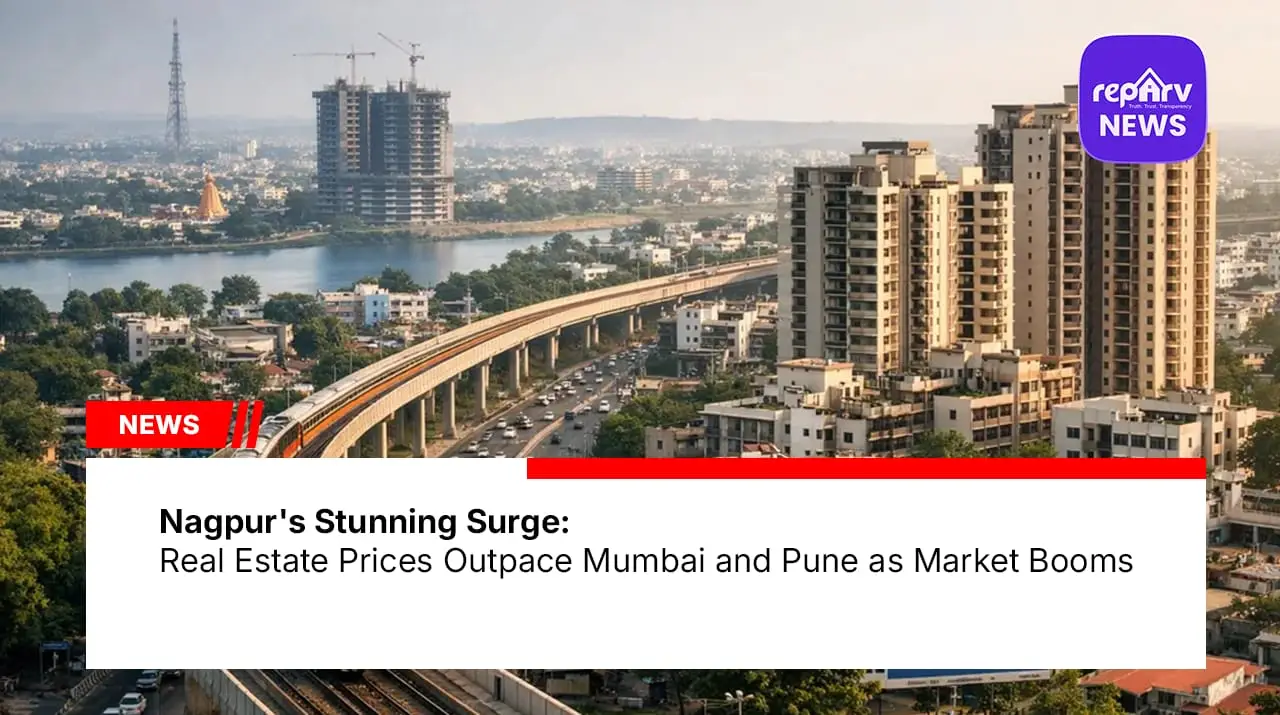
4%, while Delhi NCR saw a 9% year on year decline, largely because sharp price escalation has priced out a chunk of mid-income buyers.Away from the metros, Tier-2 cities are quietly becoming the next growth story. Cities like Nagpur, Indore, Nashik, and Jaipur are seeing fresh developer interest as IT companies, Global Capability Centres, and logistics firms set up outside traditional hubs. Property prices in these cities are still a fraction of what they are in Mumbai or Bengaluru, which is drawing in first-time buyers and investors looking for early-stage appreciation.
What to Expect in Q2 2026 ?
PropTiger's outlook for Q2 2026 is cautiously optimistic it forecasts sequential sales growth of 2 to 4% and year on year price appreciation of 4 to 8% across major metros. The fundamentals remain intact income growth is projected at 8 to10% in 2026, the job market is steady, and India's residential real estate
market is valued at around USD 438 billion this year, on track to nearly double by 2031. The market is no longer about selling as many units as possible. It is about who is building what, where,
and for whom. That shift from volume to value is what defines Indian real estate in 2026.





.webp)
.webp)
.webp)

.webp)

.webp)
.webp)
.webp)
.webp)















.webp)
.webp)


.webp)
.webp)
.webp)
.webp)
.webp)
.webp)
.webp)
.webp)





























.jpeg)